
From Pilot to Production: Getting Your First Agent Live
Most back-office automation pilots stall before production. Here is the checklist of decisions, approvals, and tests that the teams who shipped successfully ran through.
Guardrails, deployment checklists, ROI frameworks, GDPR compliance for automated workflows, and what we have learned from eight ops teams in early access.

After a year of early access, the most consistent finding was not about the AI. It was about the moment a manager could see what the agent had actually done.
Read article
Most back-office automation pilots stall before production. Here is the checklist of decisions, approvals, and tests that the teams who shipped successfully ran through.

The risk in back-office automation is not dramatic failures. It is quiet ones: a field populated with a plausible-but-wrong value, approved and posted to the ERP before anyone notices.

Time saved is the starting metric, but the finance ops teams seeing the strongest returns are measuring something else: the cost of errors avoided and the hours freed for work that requires judgment.
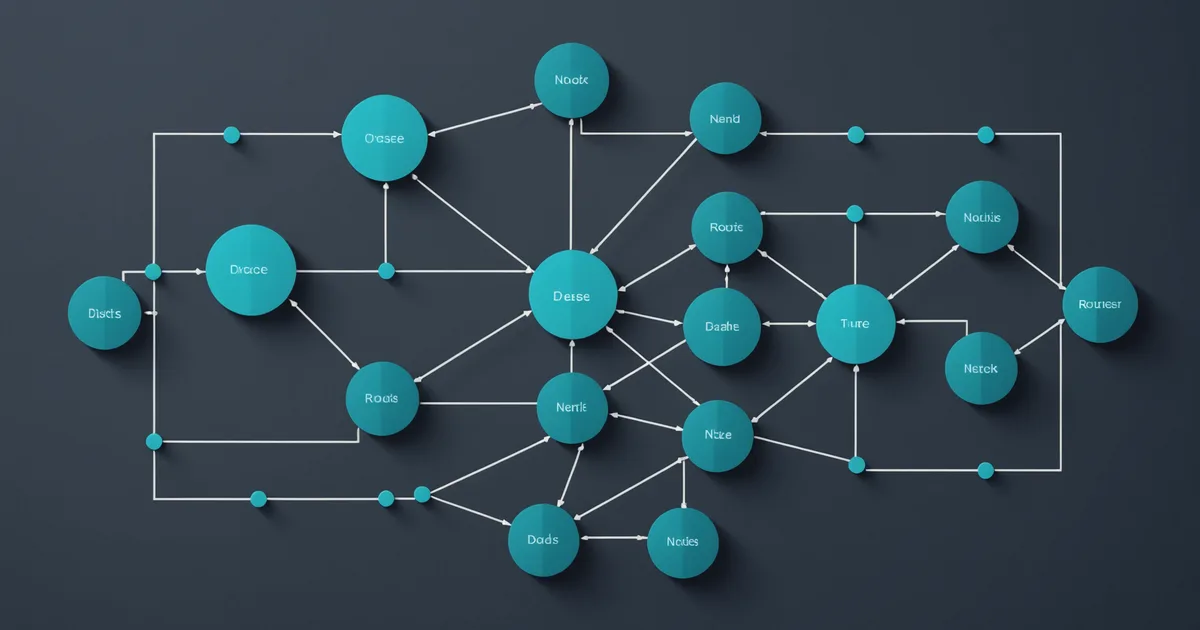
Not every back-office task belongs in an agent. The decision framework we use with ops teams to decide which workflows are ready for automation.

Running automated agents that touch personal data inside EU infrastructure is not a legal gray area. Here is the practical checklist we follow for GDPR compliance.

The finance ops teams we talk to are not asking for AI that moves faster. They are asking for AI that can explain itself when someone asks a question during a quarter-end close.

These are the workflows where automation pays for itself inside the first quarter: invoice processing, vendor onboarding, ticket routing, expense reconciliation, and employee offboarding.
A step-by-step guide to running your first back-office agent: choosing the right starting workflow, mapping the steps, setting the guardrails, and running a safe first production job.
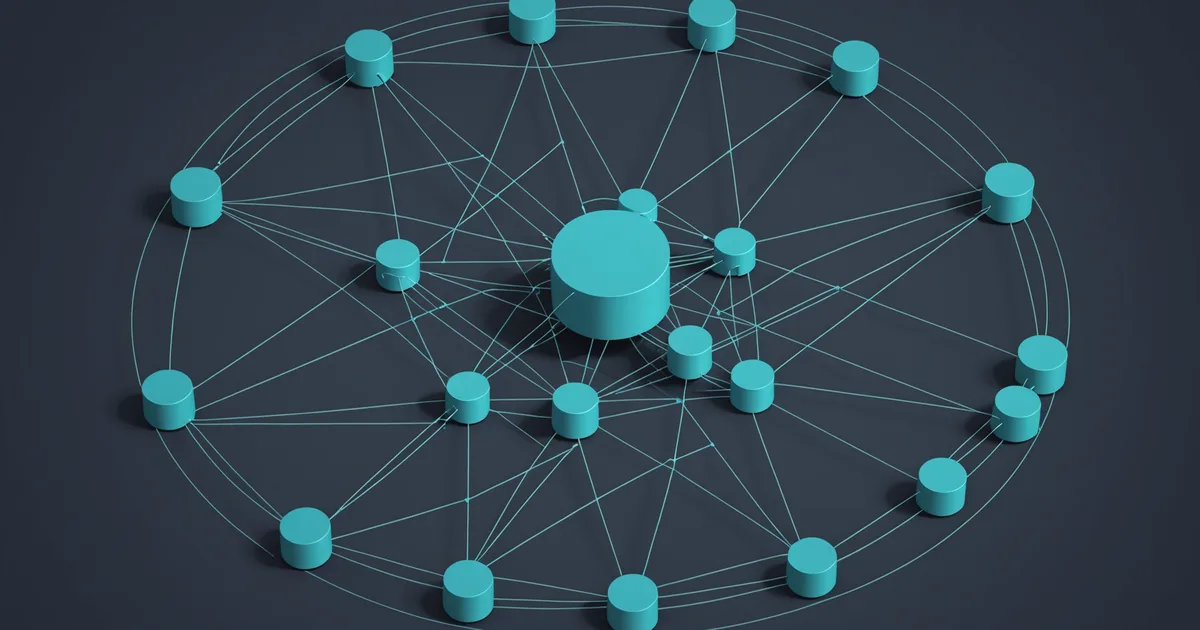
The number one concern ops teams raise before any automation project is integration complexity. Here is how MicroAGI connects to what you already have.

Enterprise AI pilots fail for a predictable reason. It is not the accuracy. It is that no one can see what the model actually did, so when something looks wrong, the safest answer is to shut it down.

A language model with access to your ERP and no inspection layer is not an assistant. It is an unsupervised process that will eventually post something to a ledger that took a week to unwind.

Every MicroAGI agent run produces a full step-by-step trace: which tool was called, what data was passed, what the output was, and whether any approval gates were triggered.